A Dialogue with Trisha Lambi
Welcome to DIALOGUES.
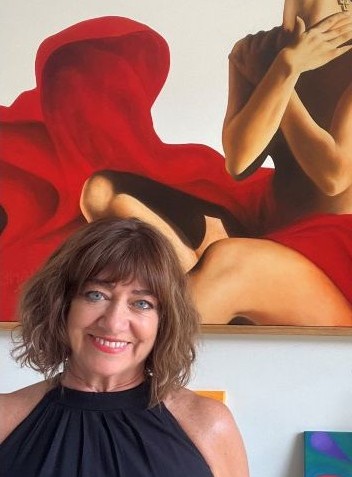
In this edition of DIALOGUES, we enter the vibrant and deeply expressive world of Australian artist Trisha Lambi.
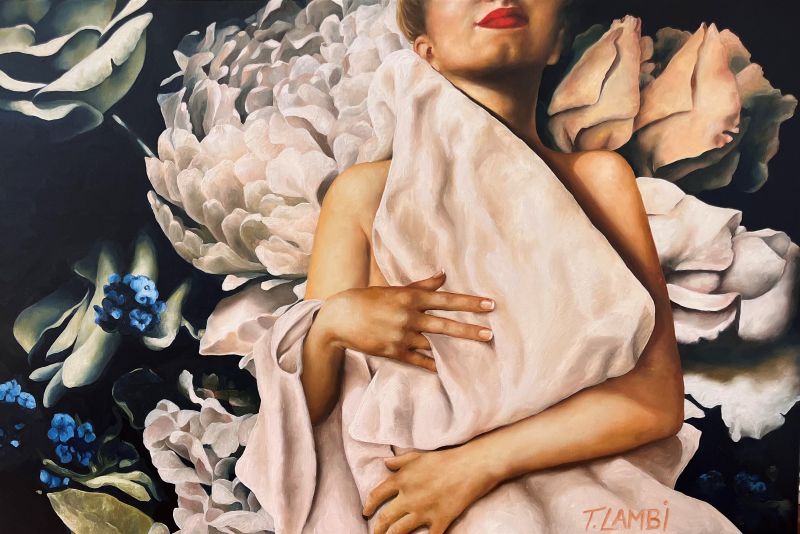
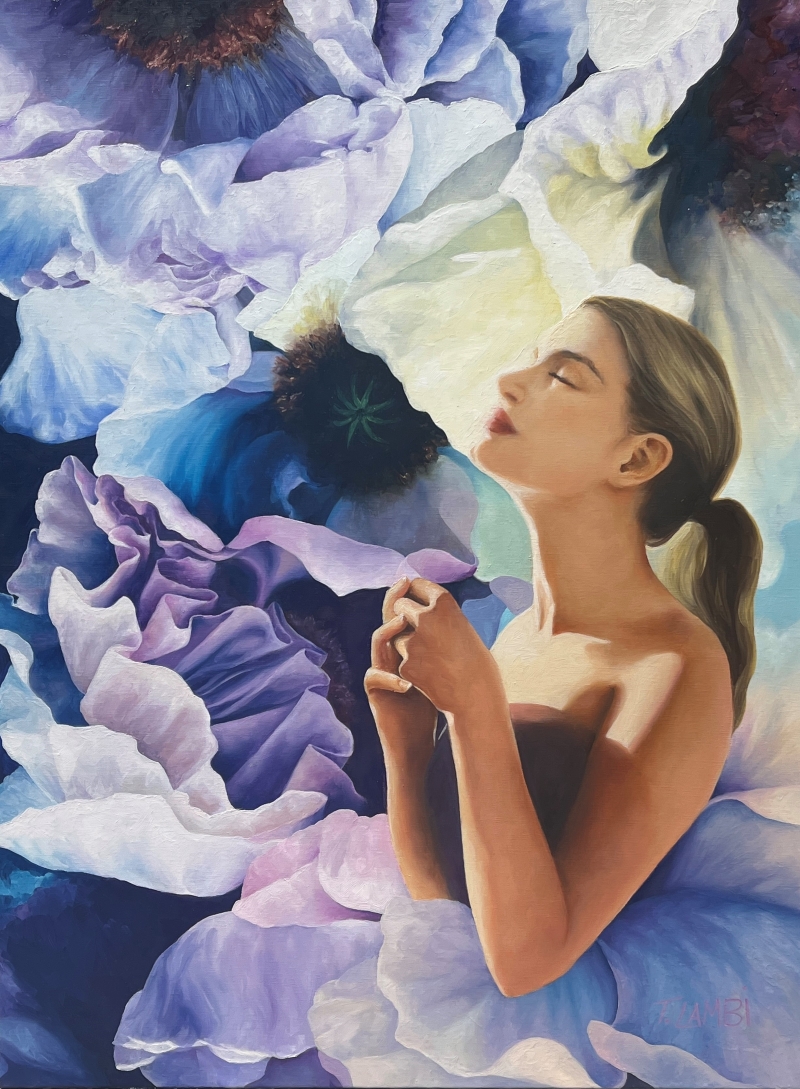
Through the delicate interplay of the human form, flowers, and light, Trisha creates paintings that celebrate beauty as something far more essential than decoration — a source of emotional strength, freedom, and renewal.
Her work moves between tenderness and intensity, stillness and movement, inviting us to rediscover the extraordinary within the familiar. In a world increasingly defined by function and urgency, her art offers a powerful reminder of our need for beauty.
In this conversation with VIVID Art Gallery, Trisha shares her reflections on creativity, the emotional language of flowers, and the transformative power of art, offering a closer look into the vision behind her upcoming two-volume solo exhibition, The Need for Beauty: Figures in Bloom, this November.

Beauty as Rebellion: In your statement, you mention that this collection stands as a rebellion against the functional and the dark external world. How do you balance this fierce, unapologetic pursuit of pure beauty with the raw, vulnerable exposure of the human form?
I recognize that turning my face toward beauty is a luxury not everyone possesses. Watching the genocide in Palestine, I feel a profound sense of helplessness. Perhaps a braver person would head to the front lines to help, but creating these paintings allows me to channel my anger and horror into something beautiful. Art becomes my way of holding space for that pain without letting it consume the present.
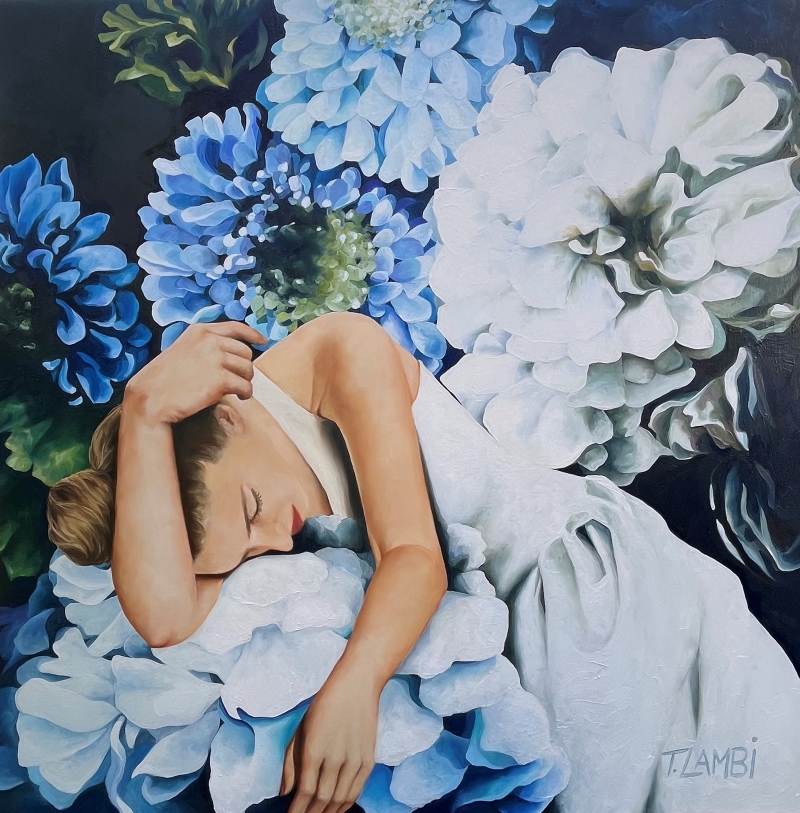
The Metaphor of Flora: In works like Frozen in Time and Letting Go, the flowers are not mere backdrops; they carry deep personal and universal archives of emotion (such as the hydrangeas representing the painful grace of release). How do you decide which flower echoes the psychological state of the figure you are painting?
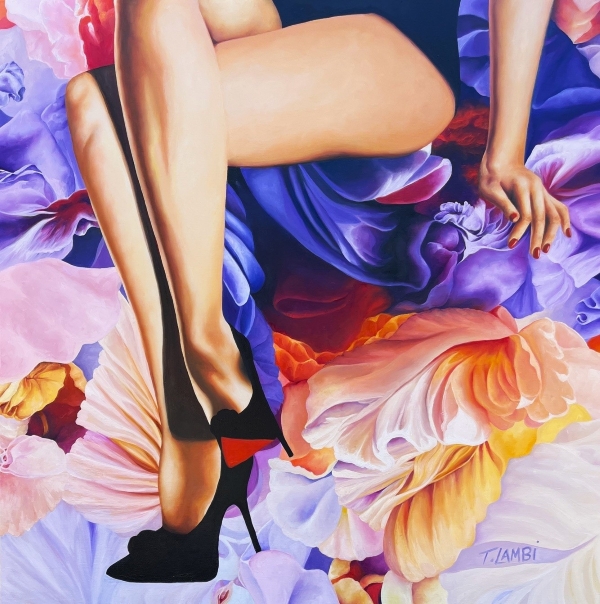
The Virtual Sanctuary: You describe Legs in Bloom as a “sanctuary of sorts” shared as an act of self-preservation. When transitioning these highly tactile, sensual oil paintings into a digital gallery, how do you hope to maintain that physical sense of safe refuge for the viewer?
The Nostalgia of Scale: Thumbelina Dreaming is a beautiful homage to childhood imagination and Hans Christian Andersen’s world. As an artist, how do you maintain that childlike sense of immense wonder and power in a modern art market that often demands rigid logic?
I’ve never been one for rigid logic, I think it’s a bit overrated. As an independent artist, I have the wonderful luxury of just painting what I love, and because I have that freedom, I don’t create based on what might sell, or what trend a piece should fit into. I think that the very second you start painting for those reasons, the wonder leaves the work entirely. There isn’t a lot of magic left in the everyday world, and I just want to protect a little bit of it in mine. As I’ve said previously, my process is entirely intuitive so that I don’t really know what is driving the creation.
- Instagram: @trishalambi
- Website: trishalambi.com
- Inquiries & Email: lambi_karalee@bigpond.com